Should You Cut Off Potato Flowers or Let Them Grow?
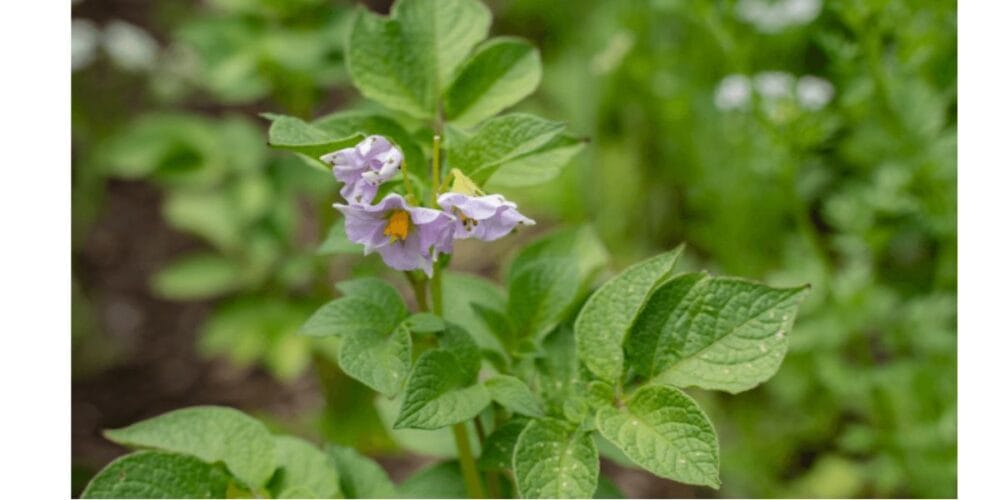
If you’ve ever grown potatoes in your garden, you’ve probably noticed clusters of pretty white, pink, purple, or lavender flowers appearing on the plants. This often leads to a common gardener’s dilemma: should you cut off potato flowers to get bigger tubers, or is it better to let them grow naturally?
The short answer is—it depends on your goal and growing conditions. Let’s explore what potato flowers actually do, whether removing them helps yields, and the best practice for home gardeners.
Table of Contents
Why Do Potato Plants Flower?
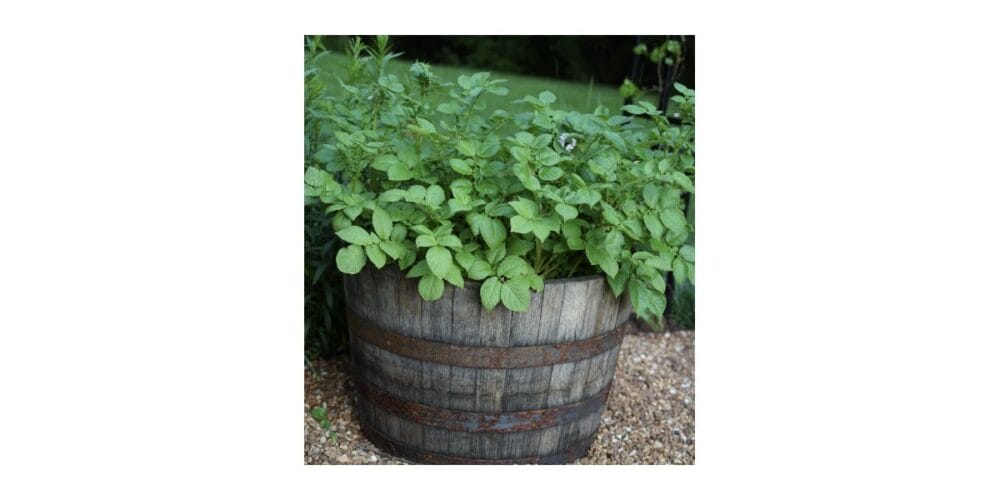
Potatoes (Solanum tuberosum) belong to the same plant family as tomatoes and eggplants. Flowering is a natural stage in their life cycle and usually begins once the plant has established a strong root system and tuber development has already started.

In some varieties, flowers may later turn into small green berries that resemble cherry tomatoes. These berries contain seeds—but they are toxic and should never be eaten.
Flowering itself does not mean your potatoes are ready for harvest. It’s simply a sign that the plant is maturing.
The Big Question: Does Cutting Potato Flowers Increase Yield?
Many gardeners believe that removing flowers redirects the plant’s energy into tuber production, resulting in larger or more numerous potatoes. While this sounds logical, research and practical gardening experience suggest a more nuanced answer.
What Science and Experience Say
- Tuber formation begins before flowering, not after.
- The plant primarily uses its leaves—not flowers—for photosynthesis and energy production.
- Removing flowers has little to no measurable impact on final potato yield in most home garden situations.
In other words, cutting flowers won’t magically double your harvest. However, there are some situations where removing them may still make sense.
Also Read: Organic Sweet Potato Farming
Reasons You Might Cut Off Potato Flowers
While it’s not necessary, here are a few scenarios where gardeners choose to remove potato flowers:
1. Preventing Seed Berry Formation
If your potato variety produces berries, removing flowers can prevent these toxic fruits from forming—especially useful if children or pets are around.
2. Encouraging Slight Energy Redirection
Although the benefit is minimal, some gardeners believe removing flowers can slightly reduce energy spent on reproduction. This may help in poor soil or stressed plants, though the effect is usually small.
3. Neater Garden Appearance
Let’s be honest—sometimes gardeners remove flowers simply for tidiness or to keep beds looking uniform.
Reasons to Let Potato Flowers Grow Naturally
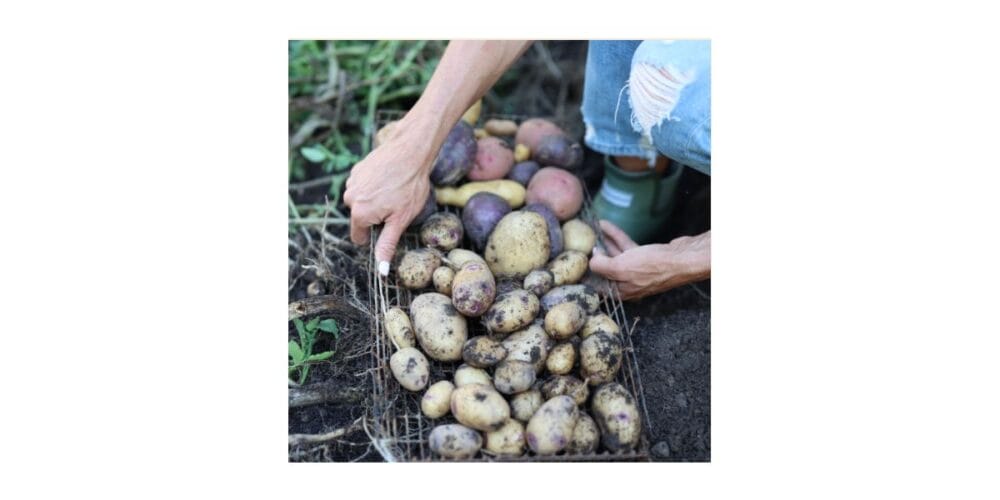
For most home gardeners, letting potato flowers bloom is the better choice.
1. No Harm to Yield
There is no solid evidence that flowers reduce tuber size or quantity in healthy plants.
2. Pollinator Benefits
Potato flowers attract bees and other beneficial insects, supporting biodiversity in your garden.
3. Indicator of Plant Health
Flowering is often a sign that your plant is thriving. Healthy flowers usually mean healthy tuber development underground.
4. Saves Time and Effort
Since cutting flowers doesn’t provide a significant advantage, skipping this step saves time—especially if you’re growing multiple rows.
Also Read: How to Grow Your Own Organic Broccoli
When Flower Removal Makes the Most Sense
If you’re unsure what to do, use this simple guideline:
- Growing potatoes for home use in good soil?
→ Let the flowers grow. - Growing in containers or poor soil with stressed plants?
→ Removing flowers may help marginally, but focus more on soil nutrition and watering. - Concerned about toxic berries?
→ Remove flowers once they appear.
Does Flowering Mean Potatoes Are Ready to Harvest?
This is another common misconception.
- Flowering does NOT mean harvest time.
- “New potatoes” can usually be harvested 2–3 weeks after flowering, when plants are still green.
- For mature potatoes with good storage quality, wait until:
- The foliage yellows and dies back naturally, or
- You cut the tops and wait 10–14 days before digging.
Better Ways to Increase Potato Yield (Than Cutting Flowers)
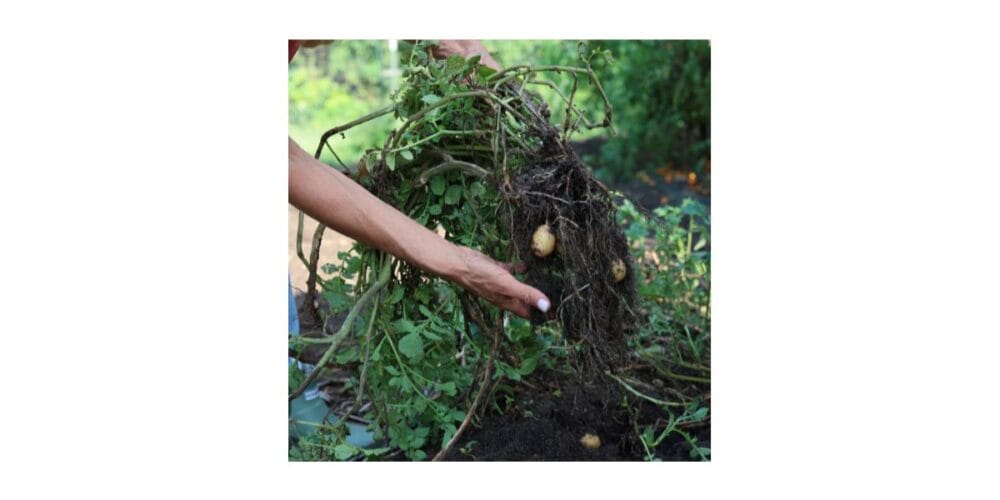
If your goal is bigger, healthier potatoes, focus on these proven techniques instead:
1. Proper Hilling
Add soil around the base of plants as they grow to encourage more tuber formation and prevent greening.
2. Balanced Nutrition
Use compost-rich soil and avoid excess nitrogen, which promotes leaves at the expense of tubers.
3. Consistent Watering
Irregular watering can lead to small or misshapen potatoes.
4. Right Variety Selection
Some potato varieties naturally flower more, while others focus energy on tuber growth. Choose varieties suited to your climate.
Also Read: How to Grow Your Own Organic Onions
Final Verdict: Cut or Let Grow?
For most gardeners, there’s no need to cut off potato flowers. Letting them grow won’t reduce your harvest and can even benefit pollinators and garden health.
If you enjoy a low-maintenance, natural approach to gardening, leave the flowers alone. If you prefer extra control or want to prevent toxic berries, removing flowers won’t hurt—but don’t expect dramatic yield increases.
In the end, healthy soil, proper watering, and good plant care matter far more than whether your potato plants bloom.
Happy potato growing!
Also Read: About Should You Cut Off Potato Flowers or Let Them Grow on gardenary.com Site